


Endocrinologist for & Diabetes in Puerto Rico

My Blood Sugar Won't Stabilize
Glucose can swing even with strict effort, driven by insulin resistance, medication timing, or stress hormones. A full endocrine evaluation identifies which factor is actually moving your numbers.

Nutrition Advice That Contradicts Itself
Conflicting diet rules make every meal a decision. We replace generic advice with carbohydrate guidance built around your labs, your medications, and the food you actually eat.
Managing Diabetes WithClarity

Technology That Transforms Diabetes Management
Continuous glucose monitors and insulin pumps only help when someone reads the data with you. Dr. Mercado handles device setup, interpretation, and dose adjustments at every visit.

Fear of Long-Term Complications
Worry about kidneys, eyes, nerves, and heart health is reasonable — and manageable. Structured monitoring catches early changes while they are still reversible.
Comprehensive Endocrine Care for Every Stage of Your Health
We provide specialized endocrine care focused on accurate diagnosis, personalized treatment, and long-term management of diabetes and metabolic conditions. Each service is designed to help you understand your health better and take control with confidence.
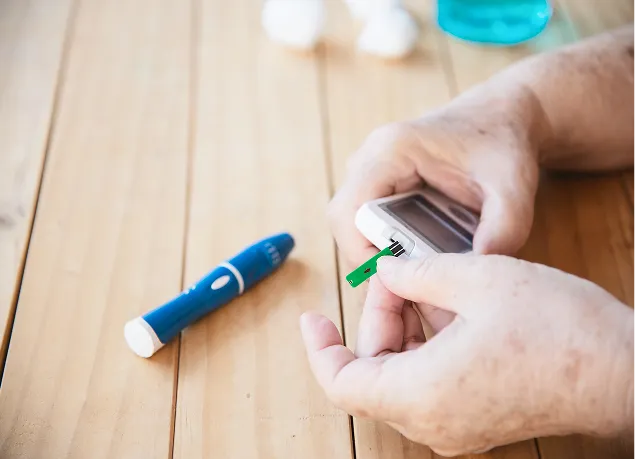
Type 1 Diabetes
Type 1 diabetes is an autoimmune condition in which the pancreas stops producing insulin, making lifelong insulin therapy essential for survival.
- Lifelong insulin therapy support
- Autoimmune and antibody evaluation
- Insulin pump and CGM guidance
- Complication prevention care
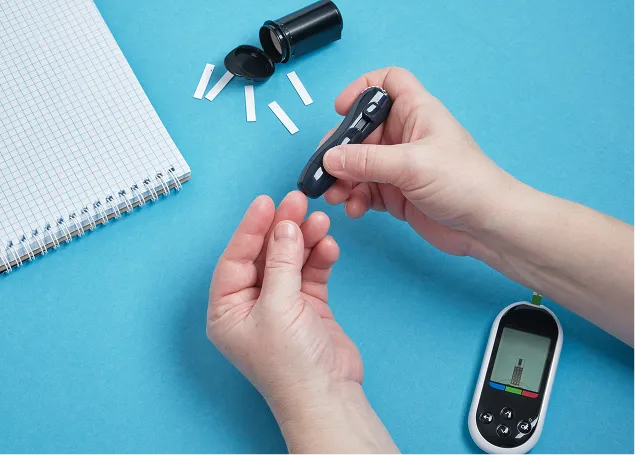
Type 2 Diabetes
Type 2 diabetes develops when the body becomes resistant to insulin and gradually produces less over time. Type 2 diabetes treatment in Puerto Rico focuses on identifying that resistance early and reversing it before complications begin.
- Insulin resistance and A1C evaluation
- Nutrition and lifestyle treatment planning
- Oral, injectable, and GLP-1 medication management
- Complication prevention care
Advanced Muscle Mass and Body Composition Testing
InBody 580 body composition testing is available as part of your diabetes management plan at EndoInnova. This advanced device measures muscle mass, visceral fat, and body composition — key markers for insulin sensitivity that go far beyond a standard weight check.
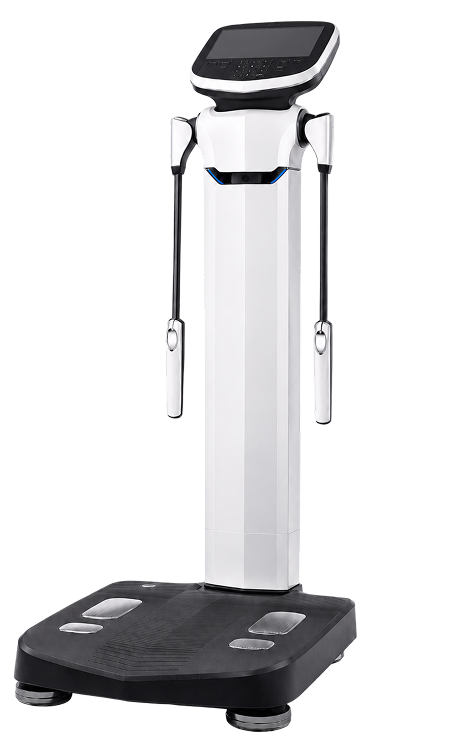
Advanced Measurement System
InBody 580 delivers precise, segmental body composition data — muscle, fat, and water balance — to guide your diabetes and metabolic treatment plan.
Easy to Use
A simple, guided process that takes accurate measurements in seconds, with no special preparation needed before your visit.
Fast Assessment
Get a complete body composition analysis in about 30 seconds, with results ready to review the same day.
Smart Connectivity
QR-based data entry links your results directly to your patient record, so your diabetes doctor can track trends over time.
Your Care Journey, Made Simple
A clear, step-by-step path to understanding your diabetes, starting treatment, and tracking long-term progress.
01
Understand Your Condition
We begin with a detailed evaluation of your symptoms, glucose history, medications, and health goals to understand what’s actually driving your blood sugar.
02
Personalized Assessment
Your evaluation may include A1C and glucose lab work, insulin resistance testing, and InBody body composition analysis for a complete picture of your metabolic health.
03
Start Your Treatment Plan
Based on your results, Dr. Mercado designs a personalized diabetes treatment plan that may include medication, insulin or CGM setup, nutrition guidance, and monitoring strategies.
04
Track & Improve Over Time
Regular follow-ups adjust your care plan, monitor your A1C and glucose trends, and support long-term diabetes control.
Your Personalized Diabetes Care Program
A complete, clinician-guided program focused on stabilizing your blood sugar, preventing complications, and improving body composition through personalized treatment and ongoing support.
Personalized Diabetes Care With a Clear Purpose
Specialized diabetes care, patient education, and advanced body composition testing — designed to bring your blood sugar under control with clarity, not guesswork.

200+
Recovered patients
95%
Recovery Rate
24*7
Support System
- Personalized Care
Care plans tailored to your diabetes type, glucose patterns, lifestyle, and long-term health goals.
- Endocrine Expertise
Specialized treatment for Type 1, Type 2, and prediabetes, led by a board-certified endocrinologist in Diabetes and Metabolism.
- Advanced Body Insight Tool
InBody testing measures muscle mass, visceral fat, and body composition — key markers for insulin sensitivity that go beyond weight alone.
Patient Stories That Inspire Confidence
Real experiences from patients who value clear guidance, compassionate care, and a better understanding of their health.

I felt heard, respected, and well cared for. The education and guidance helped me feel more confident about managing my thyroid health.

The clinic made me feel supported from the start, with personalized care focused on long-term health.

Dr. Mercado takes the time to explain everything clearly. I finally feel like I understand my condition and know what steps I need to take.
Frequently Asked
Questions
Answers to the questions patients most often ask about diabetes care, insulin therapy, and InBody testing at our diabetes management clinic in Puerto Rico.
Who is the best endocrinologist for Type 2 diabetes near Manatí?
Dr. Sheila S. Mercado Méndez is a board-certified endocrinologist specializing in Diabetes and Metabolism, practicing at EndoInnova in Hatillo, roughly 20 minutes from Manatí. She provides Type 2 diabetes treatment in Puerto Rico built around insulin resistance testing, medication management, and InBody body composition analysis, rather than generic dietary advice.
Choosing the right diabetes doctor near Manatí matters because Type 2 diabetes rarely responds to a single approach. Many patients arrive after months of adjusting diet and exercise on their own with limited results, only to discover that insulin resistance, thyroid function, or hormonal imbalance was the real driver the whole time. An endocrinologist evaluates all of these together instead of treating blood sugar as an isolated number.
At EndoInnova, every new patient begins with a full metabolic evaluation — labs, medical history, and where appropriate, InBody testing to measure muscle mass and visceral fat, both of which directly affect insulin sensitivity. From there, Dr. Mercado builds a treatment plan that may include lifestyle changes, oral medications, GLP-1 therapy, or insulin, adjusted over time based on your actual results rather than a fixed protocol.
Patients from Manatí, along with Arecibo, Camuy, Quebradillas, and Barceloneta, regularly travel to the Hatillo clinic for this level of specialized care, since general practitioners typically refer complex or poorly controlled Type 2 cases to an endocrinologist. Bilingual consultations in English and Spanish are available, and both in-person appointments and standalone InBody assessments can be booked online or by WhatsApp.
If you’ve been managing Type 2 diabetes without a clear improvement in your A1C, or you’re newly diagnosed and want a specialist-led plan from the start, a consultation can clarify what’s actually driving your numbers and what to do about it.
Can I get a diabetes doctor with same-week appointments in Puerto Rico?
Same-week appointments are frequently available at EndoInnova, and the fastest way to confirm current openings is a WhatsApp message to +1 787-956-0909 or booking directly through the online scheduler.
Timely access matters more in diabetes care than people often realize. Blood sugar that stays elevated for weeks between visits increases the risk of complications, and patients starting a new insulin regimen or adjusting a CGM often need a follow-up within days, not months. Because of this, EndoInnova structures its scheduling to prioritize both new patients seeking a diagnosis and existing patients who need urgent plan adjustments.
When you reach out, it helps to specify whether you’re a new patient, an existing patient needing a follow-up, or someone interested in a standalone InBody assessment, since these are often scheduled differently. New patient visits typically involve a longer initial evaluation covering history, current medications, and lab review, while follow-ups for established patients tend to be shorter and focused on recent glucose trends or medication response.
Patients traveling from Manatí, Arecibo, Bayamón, or San Juan sometimes ask whether appointment availability differs by day of the week — scheduling flexibility is generally consistent across the week, so it’s worth checking multiple days rather than assuming only certain days have openings.
It’s also important to know the limits of scheduled care: same-week appointments are appropriate for non-emergency concerns like medication adjustments, new symptoms, or routine follow-up. Severe hypoglycemia, diabetic ketoacidosis symptoms, or very high blood sugar with vomiting or confusion require emergency room care immediately rather than waiting for a clinic appointment, even a fast one.
What's the difference between an endocrinologist and a primary care doctor for diabetes?
A primary care doctor manages diabetes alongside dozens of other conditions, while an endocrinologist specializes exclusively in hormone and metabolic disorders, including diabetes, thyroid disease, and insulin resistance, typically handling more complex cases than a general practice visit allows.
For many patients with straightforward, well-controlled Type 2 diabetes, a primary care doctor provides perfectly adequate ongoing management. The distinction becomes important when blood sugar isn’t responding to standard treatment, when insulin therapy or an insulin pump is being considered, when A1C remains high despite medication, or when diabetes overlaps with thyroid dysfunction, PCOS, or unexplained weight changes — situations that benefit from a specialist’s depth of training in endocrine physiology.
A board-certified diabetes doctor like Dr. Mercado has completed additional fellowship training beyond general internal medicine, specifically in diagnosing and treating hormonal and metabolic conditions. This training becomes especially relevant for continuous glucose monitor interpretation, insulin pump titration, and distinguishing between diabetes subtypes that can look similar on the surface but require different treatment approaches, such as Type 1, Type 2, and LADA (latent autoimmune diabetes in adults).
Many patients at EndoInnova come by referral from a primary care doctor once their diabetes has become more complicated to manage, though a referral isn’t required — patients can book directly with an endocrinologist in Puerto Rico for a first opinion, a second opinion, or ongoing specialized care.
If you’re unsure whether your situation calls for a specialist, a good rule of thumb is this: if your current plan isn’t moving your A1C in the right direction after a few months, it’s worth a specialist evaluation.
What should I expect from a Type 1 diabetes doctor in PR?
A Type 1 diabetes doctor in Puerto Rico manages an autoimmune condition requiring lifelong insulin therapy, and a first visit typically includes a full review of insulin dosing, glucose patterns, and any devices you’re using, followed by a personalized plan for ongoing monitoring and adjustment.
Because Type 1 diabetes means the pancreas no longer produces insulin, treatment isn’t optional or adjustable through diet alone — it requires precise, ongoing insulin management for life. At EndoInnova, this starts with understanding your current regimen: whether you use multiple daily injections or an insulin pump, how you’re tracking glucose, and what patterns are causing the most difficulty, whether that’s overnight lows, post-meal spikes, or unpredictable swings during exercise.
Dr. Mercado works closely with patients on continuous glucose monitor data, since CGM trends often reveal patterns that occasional finger-stick checks miss entirely — a spike after a specific meal, a dip during a particular time of day, or the effect of stress on glucose control. This data becomes the basis for adjusting insulin ratios, basal rates, or correction factors, rather than guessing at changes.
Autoimmune evaluation is also part of ongoing Type 1 care, since related autoimmune conditions, including thyroid disease, occur more frequently in people with Type 1 diabetes and are worth monitoring even without symptoms.
Long-term, care shifts toward complication prevention — regular screening for kidney function, eye health, and cardiovascular risk factors — alongside the day-to-day work of keeping glucose stable. Patients moving to Puerto Rico from elsewhere, or established patients elsewhere on the island looking for a specialist closer to home, are welcome to transfer their ongoing Type 1 care to EndoInnova with prior records reviewed at the first visit.
What does Type 2 diabetes treatment in Puerto Rico actually involve?
Type 2 diabetes treatment in Puerto Rico at EndoInnova begins with identifying the specific driver behind insulin resistance in your case, then combines nutrition guidance, physical activity planning, and medication — ranging from oral drugs to GLP-1 therapy to insulin — based on how your body responds.
Type 2 diabetes develops gradually, as cells become resistant to insulin’s effect and the pancreas struggles to compensate. This means two patients with the same A1C can need very different treatment, depending on factors like body composition, medication history, family history, and how long the condition has been present. A treatment plan built around a single standard approach often stalls, which is why many patients seek a specialist after primary care management hasn’t moved their numbers.
At the first visit, evaluation typically includes A1C, fasting glucose, kidney function, and lipid panels, along with a discussion of current medications and lifestyle factors. InBody testing is often added at this stage, since visceral fat — the fat surrounding internal organs — is one of the strongest drivers of insulin resistance, and tracking it gives a clearer picture of whether a treatment plan is working beyond what the scale shows.
Medication decisions are individualized: some patients respond well to metformin alone, others need a GLP-1 medication for both glucose control and weight management, and some eventually require insulin as the condition progresses, which is a normal part of disease management rather than a sign of failure.
Ongoing care includes regular A1C monitoring, medication adjustment, and complication screening for kidney, eye, and cardiovascular health, with visit frequency tailored to how stable your glucose control is at any given time.
Do you manage insulin pumps and continuous glucose monitors?
Yes — as an insulin pump and CGM specialist in Puerto Rico, EndoInnova provides device selection guidance, setup support, and ongoing data interpretation for both continuous glucose monitors and insulin pumps, adjusting settings based on your actual glucose trends rather than general guidelines alone.
Diabetes technology has changed significantly in recent years, and many patients are either using outdated settings on an existing device or haven’t been offered the option at all. A continuous glucose monitor provides real-time glucose readings throughout the day and night, revealing patterns that occasional finger sticks simply cannot capture — how a specific meal affects your glucose, whether overnight lows are occurring without symptoms, or how stress and activity shift your readings.
For patients on insulin pumps, dosing settings need periodic review as weight, activity level, and insulin sensitivity change over time. A pump programmed correctly a year ago may no longer match your current needs, and reviewing this data regularly is part of ongoing specialized care rather than a one-time setup.
At EndoInnova, device data is reviewed at each visit alongside lab results, so adjustments to basal rates, correction factors, or carbohydrate ratios are based on actual trends, not estimates. For patients not yet using a CGM or pump, Dr. Mercado can evaluate whether either technology is appropriate, walk through device options, and support the transition from manual monitoring.
This is particularly relevant for patients traveling from Arecibo, Bayamón, or San Juan specifically for device management, since not every general practice offers hands-on CGM and pump titration as part of routine care.
Why does it matter that my diabetes doctor is board-certified?
Board certification means a diabetes doctor has completed accredited specialty training in endocrinology and passed rigorous examinations verifying their expertise in diagnosing and treating hormonal and metabolic conditions, which matters most when diabetes is complex, poorly controlled, or overlaps with other endocrine issues.
Not every physician managing diabetes has this level of specialized training. Primary care doctors receive general medical education that includes diabetes management, but board certification in endocrinology, diabetes, and metabolism specifically requires additional fellowship training focused entirely on hormonal and metabolic disorders. This distinction becomes practically important in situations like adjusting insulin pump settings, interpreting continuous glucose monitor data, distinguishing between diabetes subtypes, or managing diabetes alongside thyroid disease or PCOS.
Dr. Sheila S. Mercado Méndez holds board certification specifically in Diabetes and Metabolism, meaning her training and ongoing practice are concentrated on exactly these conditions rather than diabetes being one of many topics covered in general practice. For patients, this typically translates into more nuanced treatment decisions — recognizing when a standard medication approach isn’t the right fit, catching early signs of complications before they become serious, and adjusting treatment plans based on subtle patterns in lab work or device data.
Board certification also generally reflects a commitment to staying current with evolving treatment options, including newer medication classes like GLP-1 receptor agonists and advances in CGM and insulin pump technology, since specialty boards typically require ongoing education to maintain certification.
For patients researching a diabetes doctor in Puerto Rico, checking board certification is a reasonable and useful first step, alongside confirming the physician’s specific subspecialty focus within endocrinology.
What ongoing support does a diabetes management clinic provide?
A diabetes management clinic provides continuity of care beyond a single appointment — regular monitoring, medication adjustments, complication screening, and support interpreting glucose data over time, rather than a one-time diagnosis followed by infrequent check-ins.
Diabetes is a long-term condition that changes over time, sometimes gradually and sometimes in response to weight changes, illness, new medications, or aging. A single visit can establish a diagnosis and starting treatment plan, but ongoing management is what actually keeps blood sugar stable for years, and this requires a structured follow-up system rather than sporadic visits only when something feels wrong.
At EndoInnova, ongoing support includes scheduled follow-up visits to review A1C trends, medication effectiveness, and any new symptoms, along with periodic lab work covering kidney function, lipids, and other markers relevant to long-term diabetes complications. For patients using CGMs or insulin pumps, follow-ups also include reviewing device data to fine-tune settings as your body’s needs shift.
Between visits, patients can reach the clinic through WhatsApp for questions that don’t require a full appointment, which is particularly useful for medication concerns or clarifying instructions without waiting weeks for the next scheduled visit. InBody testing is typically repeated periodically as well, giving an objective way to track whether body composition — and by extension, insulin sensitivity — is improving over time.
This structure matters most for patients with Type 1 diabetes, insulin-dependent Type 2 diabetes, or anyone whose glucose control has been unstable, since these situations benefit from more frequent contact and adjustment than a once-a-year check-up allows.
Do you see patients from outside Hatillo, like Arecibo, Bayamón, or San Juan?
Yes. EndoInnova is located in Carrizales, Hatillo, and regularly treats patients traveling from Arecibo, Manatí, Camuy, Quebradillas, Barceloneta, Bayamón, San Juan, and other areas across Puerto Rico for specialized endocrinology and diabetes care.
Specialized endocrine care isn’t available in every municipality, which is why many patients travel beyond their immediate area to see a board-certified diabetes specialist. Patients from the North Coast — Manatí, Arecibo, Camuy, Quebradillas, and Barceloneta — make up much of the clinic’s regular patient base, given the relatively short drive to Hatillo. Patients from the San Juan metro area and Bayamón also travel for this level of specialized care, often after being referred by a primary care doctor or after searching specifically for a diabetes specialist with expertise beyond general practice.
For patients traveling a longer distance, it’s worth knowing that initial visits tend to be more comprehensive — covering history, labs, and treatment planning — while many follow-up visits can be shorter, which helps when balancing travel time against appointment length. Standalone InBody assessments are also available without an existing patient relationship, which some patients from further away use as a starting point before committing to ongoing care.
Bilingual consultations in English and Spanish are available regardless of where you’re traveling from, and scheduling is handled online or through WhatsApp, so appointments can typically be arranged without needing to call during business hours.
If distance is a concern, reaching out beforehand to discuss what a first visit involves can help you plan the trip efficiently, particularly if labs or InBody testing will be part of that first appointment.
How does InBody testing fit into diabetes management?
InBody testing measures muscle mass, body fat, and visceral fat with far more precision than weight or BMI alone, and because muscle tissue drives glucose uptake while visceral fat drives insulin resistance, this data directly informs how your diabetes treatment plan is adjusted over time.
Weight is a poor proxy for metabolic health on its own — two people at the same weight can have very different amounts of muscle and visceral fat, and those differences matter enormously for insulin sensitivity. InBody 580 testing takes about a minute and produces a detailed breakdown of body composition, giving a much clearer picture of what’s actually happening metabolically than a scale reading ever could.
For diabetes specifically, this matters in a few concrete ways. Muscle tissue is the primary site of glucose disposal in the body, so tracking muscle mass over time shows whether an exercise or nutrition plan is building the tissue that actually improves blood sugar control. Visceral fat, the fat stored around internal organs, is one of the strongest known contributors to insulin resistance, and reducing it is often a more meaningful treatment goal than total weight loss alone.
InBody results also provide objective progress tracking between visits — rather than relying on the scale, which can be misleading if muscle is increasing while fat decreases, InBody shows the actual shift in composition. This is particularly useful for patients on GLP-1 medications or in structured weight and diabetes management programs, where distinguishing muscle loss from fat loss has real clinical significance.
Standalone InBody assessments are available at EndoInnova without requiring an existing patient relationship, making it accessible both for current patients tracking progress and for anyone curious about their body composition as a starting point for a broader conversation about metabolic health.
Diabetes Education Made Made Simple
Whether you’re managing diabetes or just curious about your body composition, our InBody assessment gives you deeper insight into muscle, fat, and metabolic health — the numbers that actually drive blood sugar control, not just weight. Book your appointment online or reach out on WhatsApp for a quick, hassle-free experience with your diabetes doctor in Puerto Rico.
