


Obesity and Weight Management

When a diet works for a while and then stalls, it is almost never due to a lack of effort.
When a person struggles to lose weight, the most common cause is consuming more calories than they realize or not getting enough physical activity. However, it is also important to rule out any underlying medical issues that might be hindering weight loss.

Eat Less, Move More" Isn't a Diagnosis
Generic advice skips the testing that explains your results. As an obesity specialist in Puerto Rico, Dr. Mercado reviews labs, thyroid function, hormones, and insulin resistance first — then determines whether nutrition, activity, or medication such as GLP-1 therapy is appropriate for your case.
Managing Obesity and Weight WithConfidence

Healthy eating and physical activity are the foundation for achieving and maintaining a healthy weight.
However, for some people, these changes—while fundamental—may not be enough if an underlying medical condition is hindering weight loss.
That is why Dr. Sheila Mercado conducts a comprehensive medical evaluation. Depending on symptoms, medical history, and physical exam findings, she may recommend additional tests to rule out conditions that could be contributing to weight gain or making weight management difficult.
These conditions include thyroid dysfunction, Polycystic Ovary Syndrome (PCOS), Cushing’s syndrome, and the use of certain medications that can promote weight gain.
Identifying these causes allows for a more personalized treatment plan and increases the likelihood of achieving lasting results.

When Weight Starts Affecting Health and Confidence
Excess weight — visceral fat in particular — raises the risk of type 2 diabetes, fatty liver, and heart disease, while draining energy and self-confidence. InBody 580 analysis measures muscle, body fat, visceral fat, and water balance, so progress is tracked well beyond the scale.
Medical Weight Loss Directed by an Endocrinologist
Weight that resists diet and exercise usually has a medical explanation. At EndoInnova in Hatillo, Dr. Sheila S. Mercado Méndez — board-certified in Diabetes and Metabolism — tests for the thyroid, insulin, and hormonal factors behind it, then treats the cause rather than the number on the scale.

Medical Weight Management
An endocrinology-led weight loss program combining lab testing, InBody 580 body-composition analysis, and treatment that adapts as your results change. Serving Hatillo, Manatí, Arecibo, Bayamón, and San Juan.
- Lab work: thyroid, insulin resistance, A1C, lipids
- InBody 580 analysis of muscle, fat, and visceral fat
- Candidacy review for GLP-1 and other medications
- Practical nutrition and activity planning
- Scheduled follow-ups with plan adjustments
InBody 580 Body Composition Analysis in Puerto Rico
Weight alone can’t tell you whether you’re losing fat or muscle. The InBody 580 measures skeletal muscle mass, body fat percentage, visceral fat, and water balance in about 60 seconds — giving Dr. Sheila S. Mercado Méndez the data to build and adjust your medical weight loss plan. Available at our Hatillo clinic as part of your care or as a standalone assessment.
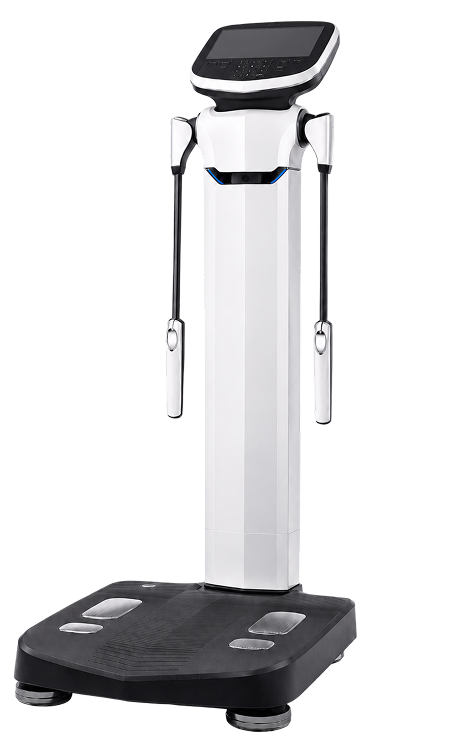
Measures What the Scale Misses
Segmental readings for muscle and fat across arms, legs, and trunk — plus visceral fat, the deep abdominal fat tied to insulin resistance and type 2 diabetes risk.
No Fasting, No Discomfort
Stand on the platform, hold the handles, and remain still. Non-invasive, fully clothed, and suitable for adults at any fitness or weight level.
Results in Under a Minute
A complete body composition scan takes roughly 60 seconds, with a printed report reviewed and explained by an endocrinologist during your visit.
Track Real Progress Over Time
Each scan is stored for side-by-side comparison, so you can see muscle preserved and fat lost even during weeks when the scale doesn't move.
How Our Medical Weight Loss Program Works
Four steps, guided by Dr. Sheila S. Mercado Méndez — from finding out why your weight isn’t moving to keeping the results once it does.
01
Find Out Why Your Weight Won't Move
Your first visit starts with lab work: thyroid function, insulin resistance, A1C, and hormone levels. Most patients arrive after years of dieting without ever being tested for the conditions making weight loss harder.
02
Measure Your Baseline With InBody 580
A body composition scan records muscle mass, body fat percentage, visceral fat, and water balance. This becomes the reference point every future result is measured against — not your starting weight.
03
Receive a Plan Built for Your Physiology
Nutrition, activity, treatment of any underlying condition, and a candidacy review for GLP-1 or other medications where clinically appropriate. Your plan reflects your labs, your health history, and your daily life.
04
Adjust as Your Body Changes
Follow-up visits repeat the InBody scan and lab work so treatment can be adjusted before progress stalls. Weight loss changes your metabolism — your plan should change with it.
Talk to an Obesity Specialist
Book a consultation with Dr. Sheila S. Mercado Méndez, board-certified in Diabetes and Metabolism, at our Hatillo clinic. Consultations in English and Spanish, with online scheduling and WhatsApp support. Standalone InBody 580 assessments available without an existing patient relationship.
Why Patients Choose an Obesity Specialist Over a Diet Program
EndoInnova treats weight as a medical condition. Dr. Sheila S. Mercado Méndez — board-certified in Diabetes and Metabolism — combines lab diagnostics, InBody 580 body composition analysis, and evidence-based treatment to address what’s actually driving your weight. Bilingual care in Hatillo, serving Puerto Rico’s North Coast.

200+
Recovered patients
95%
Recovery Rate
24*7
Support System
- Treatment Based on Your Labs
Thyroid function, insulin resistance, A1C, and hormone levels shape your plan — because two patients at the same weight often need entirely different treatment.
- Board-Certified in Diabetes and Metabolism
Specialist care for obesity, insulin resistance, prediabetes, and thyroid conditions — including candidacy evaluation for GLP-1 and other weight-management medications.
- InBody 580 Progress Tracking
Muscle mass, body fat percentage, and visceral fat measured at each visit, so you can see fat loss and muscle preservation even when the scale doesn’t move.
Patient Stories That Inspire Confidence
Real experiences from patients who value clear guidance, compassionate care, and a better understanding of their health.

I felt heard, respected, and well cared for. The education and guidance helped me feel more confident about managing my thyroid health.

The clinic made me feel supported from the start, with personalized care focused on long-term health.

Dr. Mercado takes the time to explain everything clearly. I finally feel like I understand my condition and know what steps I need to take.
Medical Weight Loss Questions, Answered by an Endocrinologist
Common questions about how our program works, what testing is involved, whether medication is appropriate, and what makes endocrinology-led care different from a commercial diet plan. Answered by Dr. Sheila S. Mercado Méndez, board-certified in Diabetes and Metabolism.
Why can't I lose weight even though I diet?
This is the most common question patients bring to us, and the answer is rarely “you aren’t trying hard enough.” Weight regulation is controlled by hormones, and several treatable conditions quietly work against you: hypothyroidism slows metabolic rate, insulin resistance pushes your body toward fat storage, elevated cortisol drives abdominal weight gain, and PCOS affects weight in women of reproductive age. Certain medications — including some antidepressants, steroids, beta blockers, and older diabetes drugs — also cause weight gain. Repeated cycles of restrictive dieting reduce muscle mass, which lowers the number of calories you burn at rest and makes each subsequent attempt harder. If you’re searching for a Puerto Rico doctor who can explain why you can’t lose weight even though you diet, the first step is testing, not another diet. At EndoInnova, evaluation begins with thyroid function, fasting insulin and glucose, A1C, and a lipid panel, so your plan addresses the actual cause.
What does a medical weight loss doctor do differently from a nutritionist or diet program?
A medical weight loss doctor in Puerto Rico begins with diagnosis. Before any nutrition plan is written, Dr. Mercado orders laboratory testing to identify endocrine and metabolic conditions affecting your weight, reviews your full medication list for agents known to promote weight gain, and evaluates related conditions such as prediabetes, fatty liver, sleep apnea risk, and high blood pressure. Body composition is measured with the InBody 580 rather than estimated from BMI. Where clinically appropriate, prescription therapy can be part of the plan — an option no nutritionist or commercial program can offer. Nutrition counseling remains important and is included, but it sits inside a medical framework rather than replacing one. The practical difference is this: if an untreated thyroid disorder or significant insulin resistance is driving your weight, a diet plan alone will underperform no matter how carefully you follow it.
Who is the medical weight loss program suitable for?
Our medical weight loss program is designed for adults whose weight is affecting their health or who have not achieved lasting results through diet and exercise alone. That includes patients with a BMI in the overweight or obese range, and patients at any weight who carry excess visceral fat or have weight-related conditions such as prediabetes, type 2 diabetes, insulin resistance, PCOS, hypothyroidism, fatty liver, or metabolic syndrome. It’s also appropriate if you’ve regained weight after previous success, if your weight changed unexpectedly without a change in habits, or if you want to know whether a medical cause is involved before trying again. As an obesity treatment clinic led by an endocrinologist, we’re particularly suited to patients whose weight and metabolic or hormonal conditions need to be managed together rather than by separate providers.
Is the treatment plan personalized, and what does that actually mean?
Personalization here means clinical, not cosmetic. Two patients of identical height and weight can receive entirely different plans depending on what their testing shows. A patient with marked insulin resistance may need a different macronutrient distribution and meal timing than a patient with normal insulin sensitivity and hypothyroidism. A patient with low skeletal muscle mass on the InBody 580 needs protein targets and resistance training prioritized to protect metabolic rate, while a patient with high visceral fat is managed with cardiometabolic risk as the primary concern. Your plan also accounts for your other medical conditions, current medications, work schedule, food preferences, family responsibilities, and budget. As a weight loss endocrinologist, Dr. Mercado builds the plan from your labs and body composition data, then adjusts it at follow-up visits as those numbers change.
Will I need medication, and how do you decide?
Not every patient needs medication, and it is never the starting point. Medication is considered when clinical criteria are met and lifestyle measures alone have not produced adequate results, or when a coexisting condition such as type 2 diabetes makes pharmacotherapy appropriate sooner. If you’re looking for a doctor who evaluates for GLP-1 medication in Puerto Rico, the evaluation includes your BMI and body composition, weight-related health conditions, personal and family medical history — including thyroid cancer history and pancreatitis — current medications and possible interactions, and your own goals and preferences. As a GLP-1 doctor in Puerto Rico, Dr. Mercado also explains realistic expectations, common side effects, monitoring requirements, cost and insurance considerations, and what happens if treatment is stopped. Medication, when used, supports the nutrition, activity, and follow-up plan rather than replacing it.
What is the difference between medical weight loss and a commercial weight loss program?
The medical weight loss vs. commercial weight loss program distinction comes down to four things. First, diagnosis: a medical program tests for the conditions causing your weight; a commercial program assumes there aren’t any. Second, supervision: your plan is directed by a physician who can interpret labs, manage medications, and coordinate with your other conditions. Third, measurement: progress is tracked with body composition analysis, laboratory markers, and clinical assessment rather than scale weight alone — which matters because losing muscle looks like success on a scale and is not. Fourth, accountability: your results are reviewed by a licensed endocrinologist who adjusts treatment, not by a coach following a standardized script. Commercial programs can genuinely help motivated people without underlying medical drivers. When those drivers exist and go untested, they’re where most patients lose years.
Do I need to be an existing patient to get an InBody 580 body composition assessment?
No. The InBody 580 assessment is available on its own, without an existing patient relationship. The scan takes roughly 60 seconds, requires no fasting or needles, and is performed fully clothed — you stand on the platform, hold the handles, and stay still. It measures skeletal muscle mass, body fat percentage, segmental muscle and fat distribution across arms, legs, and trunk, visceral fat level, and total body water balance. You receive a printed report during the same visit. This makes it useful not only for weight management patients but also for athletes, people in structured training programs, and anyone who wants an objective baseline before starting a health change. If your results suggest a metabolic issue worth investigating, we’ll tell you plainly and you can decide whether to pursue a full evaluation.
How long does the program take, and how quickly will I see results?
Timelines vary because starting points and underlying conditions vary. Most patients begin with an initial consultation and laboratory testing, return within one to two weeks to review results and receive their plan, then follow up at four-to-eight-week intervals during the active phase. Measurable changes in body composition typically appear within the first two to three months, though patients treating an underlying condition such as hypothyroidism sometimes notice improvements in energy and appetite regulation before the scale moves meaningfully. Safe, sustainable fat loss is gradual by design — rapid loss disproportionately costs muscle, which lowers metabolic rate and makes regain more likely. Obesity is a chronic condition, so after reaching your goal we recommend continuing periodic follow-up and InBody reassessment to maintain results. Anyone at any obesity treatment clinic promising rapid, guaranteed results should be treated with caution.
Do you see patients from Manatí, Arecibo, Bayamón, and San Juan?
Yes. Our clinic is located at C. A Casa #4, Carrizales, Hatillo 00659, and we regularly see patients from across the North Coast and the wider island. Patients searching for a weight loss doctor in Manatí or an obesity specialist in Arecibo are typically within a short drive, and we also see patients traveling from Camuy, Quebradillas, Barceloneta, and surrounding municipalities. Patients from the metro area looking for a weight loss clinic in Bayamón or an obesity doctor in San Juan often choose EndoInnova specifically for endocrinology-led weight care and InBody 580 body composition testing, which are not available at every practice. Because follow-up visits are part of how the program works, we schedule appointments with travel distance in mind. Booking is available online, by phone, or through WhatsApp at +1 787-956-0909.
What happens at my first appointment, and what should I bring?
Your first visit is a full clinical evaluation, not a weigh-in. Dr. Mercado reviews your weight history, previous diet and treatment attempts, family history of diabetes and thyroid disease, current symptoms, sleep, stress, activity, and eating patterns, along with every medication and supplement you take. A physical examination and InBody 580 body composition analysis are performed, and laboratory testing is ordered — commonly thyroid function, fasting glucose and insulin, A1C, lipid panel, and liver enzymes, with additional testing based on your history. Please bring a list of your medications and supplements with doses, any recent lab results, your insurance information, and a photo ID. Consultations are available in English and Spanish. You’ll leave with a clear explanation of what is being tested and why, and a scheduled follow-up to review results as an obesity specialist in Puerto Rico builds your treatment plan.
Book an InBody 580 Assessment in Hatillo
Find out what your weight actually consists of — skeletal muscle, body fat percentage, and visceral fat, measured in about 60 seconds. Available as a standalone assessment or as part of your weight management care, with results reviewed by Dr. Sheila S. Mercado Méndez during the same visit. No fasting, no needles, no existing patient relationship required.
