Medically reviewed and authored by Dr. Sheila S. Mercado Méndez, Endocrinology, Diabetes & Metabolism — EndoInnova, Hatillo, Puerto Rico
Pregnancy asks a great deal of the thyroid gland. In the first weeks after conception, the body demands roughly 50% more thyroid hormone than it did before, and the gland has to meet that demand while the placenta, the immune system, and iodine needs are all shifting at the same time. For most women, the thyroid keeps up. For a meaningful minority, it does not — and the symptoms are so easily mistaken for ordinary pregnancy or ordinary new-parent exhaustion that the problem goes unrecognized for months.
This guide explains what changes, what to watch for during each trimester, what happens in the year after delivery, and when it is time to see an endocrinologist. It reflects the American Thyroid Association 2026 Guidelines for Thyroid Disease in Preconception, Pregnancy, and Postpartum, which updated much of the advice that had stood since 2017.
Why Pregnancy Changes Your Thyroid
Three things happen at once. First, human chorionic gonadotropin (hCG) — the hormone that rises steeply in the first trimester — is structurally similar enough to TSH that it mildly stimulates the thyroid, which is why TSH often dips in early pregnancy. Second, estrogen raises the level of the protein that carries thyroid hormone in the blood, which changes what your lab results look like even when the gland is working normally. Third, iodine requirements rise, because iodine is being lost through the kidneys faster and shared with the developing baby.
The practical consequence is that thyroid labs cannot be read in pregnancy the way they are read outside it. The 2026 ATA guidance recommends laboratory- and trimester-specific reference intervals for TSH and free T4; when those are not available, roughly 0.1–4.0 mU/L is used as a working range for the first and second trimesters. A result flagged “abnormal” against a non-pregnant range may be perfectly normal — and a result inside the standard range may not be. This is one of the clearest reasons to have an endocrinologist, rather than a general reference range, interpret the numbers.
Hypothyroidism During Pregnancy
An underactive thyroid is the most common thyroid problem in pregnancy, and Hashimoto’s thyroiditis is the usual cause. Left untreated, hypothyroidism has been associated with preeclampsia, anemia, miscarriage, low birth weight, preterm delivery, and — when it goes untreated in the first trimester, the window in which the baby depends entirely on the mother’s supply — impaired neurodevelopment, according to the National Institute of Diabetes and Digestive and Kidney Diseases.
The symptoms are the difficulty. Fatigue, weight gain, constipation, cold intolerance, dry skin, and low mood describe hypothyroidism, and they also describe a great many ordinary pregnancies. Nothing about how you feel will settle the question. A blood test will.
If you were already taking levothyroxine before conceiving, this is the single most important thing to know: your dose almost certainly needs to go up, and it needs to go up quickly. Requirements typically rise 25–50% during gestation. A common practical instruction is to take two extra doses per week as soon as pregnancy is confirmed, then have thyroid function rechecked — with the target TSH generally kept below 2.5 mU/L, and testing repeated roughly every four weeks through the first half of pregnancy. Do not wait for your next scheduled appointment to raise this. Call.
Mildly elevated TSH found for the first time in pregnancy is handled more cautiously now than it once was. The 2026 guidance emphasizes confirming the result before starting treatment, because at least half of mild abnormalities normalize on their own within a few weeks, and a short delay for a repeat test has not been shown to cause harm. This is a change worth understanding: it prevents women from being placed on lifelong medication for a laboratory fluctuation.
Hyperthyroidism During Pregnancy
An overactive thyroid is less common — roughly 0.2% of pregnancies — but it needs careful handling. The two main causes look similar on a lab report and are managed very differently.
Gestational transient thyrotoxicosis is driven by high hCG, often accompanies severe morning sickness, and typically resolves on its own by the middle of the second trimester. It generally does not require antithyroid medication.
Graves’ disease is autoimmune and does require treatment. Untreated, it carries risks of miscarriage, preterm birth, low birth weight, preeclampsia, and thyroid storm. The antibodies that drive Graves’ can also cross the placenta and affect the baby’s thyroid, so monitoring extends to the fetus. Antithyroid drug choice is deliberately staged: propylthiouracil (PTU) is preferred in early pregnancy because it carries a lower risk of birth defects than methimazole, with clinicians often reassessing the regimen after the first trimester. These decisions belong with a specialist — the ACOG Practice Bulletin on Thyroid Disease in Pregnancy and the ATA guidance both frame them as co-managed obstetric and endocrine care.
Who Should Be Tested — and What Changed in 2026
The 2026 ATA update moved away from universal screening toward a targeted approach: every newly pregnant patient should be evaluated clinically for thyroid risk factors, with testing offered based on that assessment. Notably, factors such as maternal age, BMI alone, or a single miscarriage are no longer considered sufficient stand-alone reasons to test.
Testing is generally warranted if you have a known thyroid condition or are on levothyroxine; a history of thyroid surgery or radioiodine; a goiter, thyroid nodules, or symptoms suggesting thyroid dysfunction; positive thyroid antibodies; type 1 diabetes or another autoimmune condition; a family history of thyroid disease; recurrent pregnancy loss or preterm delivery; a history of head or neck radiation; or previous postpartum thyroiditis.
One further change matters for anyone who has been through fertility treatment: levothyroxine is not recommended for women who are euthyroid — normal thyroid function — but positive for TPO antibodies, whether the context is infertility or recurrent pregnancy loss. Three high-quality randomized trials found no improvement in fertility or pregnancy outcomes. If you have been offered levothyroxine on that basis, it is a reasonable thing to ask about.
On iodine, current guidance is a total intake of about 250 mcg daily during pregnancy and lactation, with sustained intake above 500 mcg discouraged. Most prenatal vitamins that contain iodine supply 150 mcg; check the label, because not all of them do.
After Delivery: Postpartum Thyroiditis
The thyroid problem that most often goes undiagnosed is the one that shows up after the baby arrives. Postpartum thyroiditis affects roughly 5–10% of women — about 1 in 20 — in the first year after giving birth, and its symptoms are almost perfectly camouflaged by new parenthood.
It classically runs in two phases, described in detail by the American Thyroid Association:
- Thyrotoxic phase (about 1–4 months after delivery, lasting 1–3 months). Anxiety, insomnia, palpitations, irritability, weight loss, heat intolerance, and fatigue. It is frequently attributed to stress and lack of sleep.
- Hypothyroid phase (about 4–8 months after delivery, sometimes lasting 9–12 months). Fatigue, weight gain, constipation, dry skin, low mood, and reduced exercise tolerance. It is frequently attributed to the ordinary aftermath of childbirth.
Only about a third of women experience both phases; the rest have one or the other. Most recover normal thyroid function within 12–18 months — but roughly 20% of those who pass through the hypothyroid phase remain permanently hypothyroid and need ongoing treatment. That figure is the reason follow-up testing matters even after you feel better.
Risk is higher if you have positive thyroid antibodies (risk rises with antibody level), type 1 diabetes or another autoimmune condition, a family history of thyroid disease, or a previous episode of postpartum thyroiditis — in which case recurrence in a future pregnancy is common enough that structured follow-up at one year, or sooner if symptoms appear, is now specifically recommended.
Postpartum Thyroiditis or Postpartum Depression?
This deserves its own section, because the overlap is real and the consequences of getting it wrong run in both directions. The hypothyroid phase of postpartum thyroiditis can produce low mood, exhaustion, difficulty concentrating, and tearfulness that are clinically indistinguishable from postpartum depression on symptoms alone.
A simple thyroid panel separates them, and it is worth doing. Thyroid dysfunction that is treated as depression will not improve on antidepressants; depression that is dismissed as “probably just my thyroid” goes untreated. The two can also coexist. If you are struggling in the months after delivery, a thyroid test belongs in the workup alongside — not instead of — a mental health evaluation, and you deserve both.
Breastfeeding, Medication, and Planning Ahead
Levothyroxine is safe during breastfeeding; it is the same hormone your body makes. Antithyroid medications are generally considered compatible with breastfeeding at appropriate doses, though dosing and timing should be individualized. Radioactive iodine treatment and scans are not compatible with pregnancy or breastfeeding, and require planning around both.
If you have a thyroid condition and are planning to conceive, the ideal time to see an endocrinologist is before pregnancy — not after the test is positive. Optimizing thyroid function in advance is straightforward; correcting it under time pressure in the first trimester is not.
When to See a Thyroid Specialist
Make an appointment if you are pregnant or planning to conceive and already take thyroid medication; if you have Hashimoto’s, Graves’ disease, thyroid nodules, or a history of thyroid surgery; if you have had a miscarriage, preterm delivery, or difficulty conceiving; if you had postpartum thyroiditis after a previous birth; or if, in the year after delivery, you have palpitations, marked anxiety, unexplained weight change, persistent exhaustion, or low mood that is not lifting.
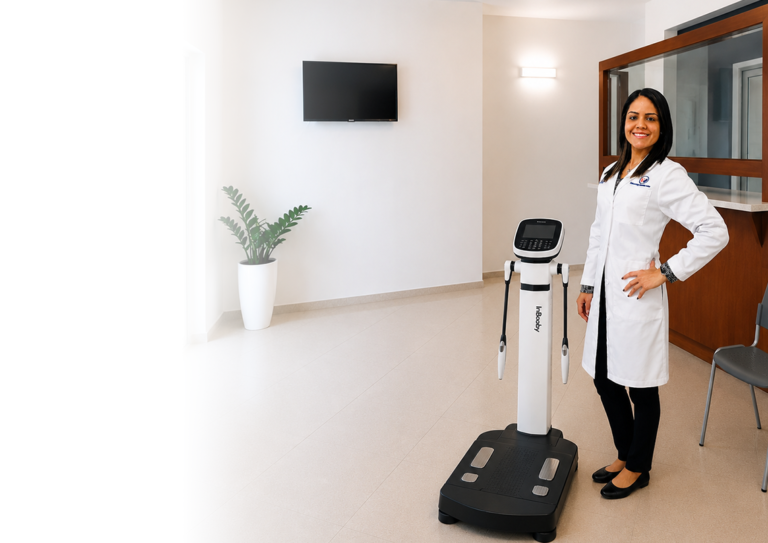
At EndoInnova in Hatillo, evaluation for thyroid conditions includes a full clinical history, TSH, free T4 and free T3, thyroid antibodies (TPO and thyroglobulin), and ultrasound when it is clinically indicated — interpreted against pregnancy-appropriate reference ranges, not generic ones. Because thyroid disease so often travels with other endocrine conditions, care is coordinated with diabetes management, weight and obesity management, and evaluation of metabolic disorders where relevant. For postpartum patients tracking recovery, InBody 580 body composition analysis distinguishes muscle, body fat, visceral fat, and water balance — considerably more informative than a number on a scale during a period when fluid shifts alone can mislead.
Frequently Asked Questions
The Bottom Line
Thyroid disease in pregnancy is common, detectable with a straightforward blood test, and highly treatable — and its symptoms hide almost perfectly inside the normal experience of being pregnant and of caring for a newborn. That combination is precisely why it gets missed. If you have a risk factor, if you are on thyroid medication and have just found out you are pregnant, or if something in the year after delivery does not feel right, get tested. Interpretation matters as much as the test itself, and pregnancy-appropriate interpretation is what specialist care provides.
Book an evaluation with Dr. Sheila S. Mercado Méndez. Request an appointment online, call or WhatsApp +1 787-956-0909, or email info@endoinnovapr.com. EndoInnova — C. A Casa #4, Carrizales, Hatillo, PR 00659. Care available in English and Spanish.